First Landing State Park: 2,888 Acres of the Virginia That Was
Spanish moss, cypress swamps, and trails through maritime forest — Virginia's most visited state park preserves the shore where English colonization began, minutes from the resort strip.
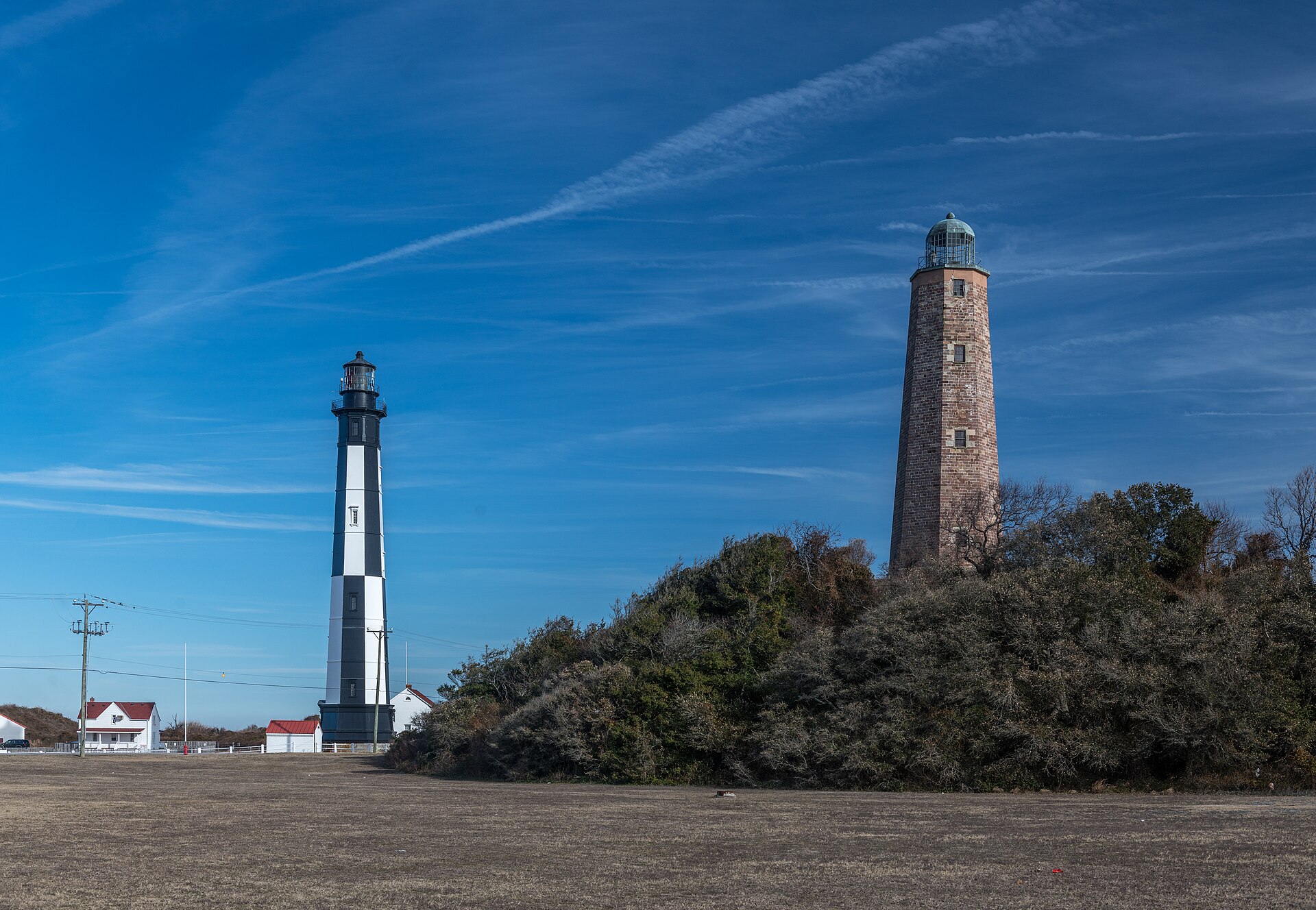
Before Virginia Beach was a resort, it was a landing. On April 26, 1607, three small ships anchored off Cape Henry and put men ashore — the first landing of the colonists who would found Jamestown — and the land they found is still substantially here, protected as First Landing State Park: 2,888 acres of maritime forest, cypress swamp, and lagoon wedged between the Oceanfront and the Chesapeake Bay.
It is Virginia's most visited state park, and its genius is contrast. Twenty miles of trails run beneath live oaks draped in Spanish moss — this close to the northern edge of the plant's range that the park feels faintly Floridian — past blackwater lagoons where herons stalk, and along the Narrows between Broad Bay and Linkhorn Bay, where the water is calm and the kayaks outnumber the motorboats. The Bald Cypress Trail's boardwalks cross swamps that look unchanged since 1607, because in the ways that matter, they are.
The park works for a living, too: a campground and cabins on the bay side, a boat ramp, environmental education programs, and habitat for the migrating birds that funnel down the Atlantic Flyway each fall — November is prime season for watching the park fill with winter arrivals.
Every resort coast needs an escape valve, a place that remembers what the land was before the hotels. Virginia Beach's happens to be the most historic ground in the English-speaking New World — and it charges less for parking than the Oceanfront garages.