Back Bay's Back Country: The Refuge Where Virginia Beach Ends and Wild Virginia Begins
South of Sandbridge, the pavement stops. Back Bay National Wildlife Refuge and False Cape State Park protect 12 miles of barrier spit that looks — deliberately, defiantly — like the coast before people.
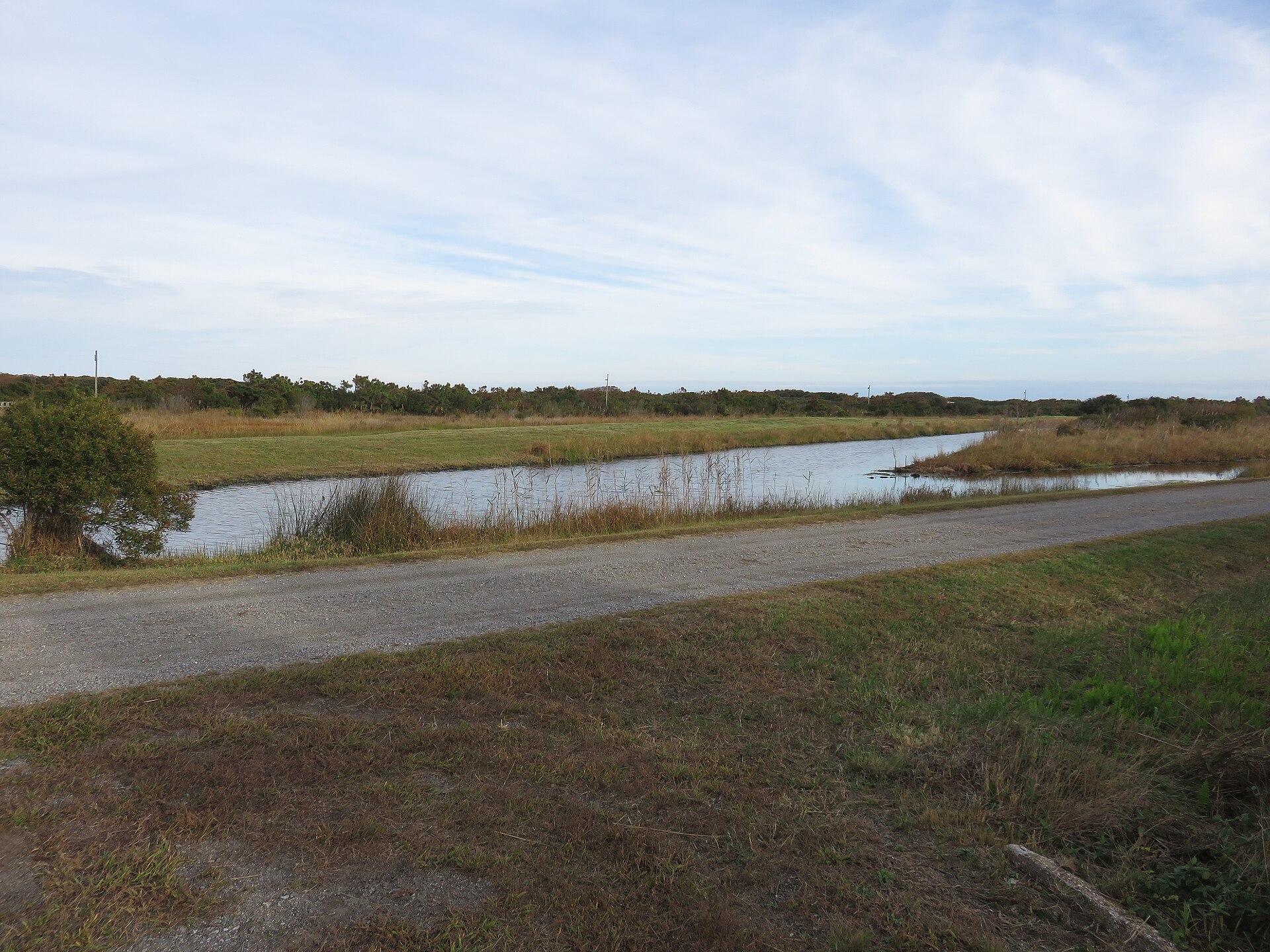
At the end of Sandbridge Road, Virginia Beach runs out. Back Bay National Wildlife Refuge — 9,108 acres established in 1938 to protect the waterfowl of Back Bay — and False Cape State Park below it protect a barrier spit that can be reached only on foot, by bike, by boat, or by the park's tram and beach vehicles. There is no through road. That is not an oversight; it is the entire point.
The refuge is a working station of the Atlantic Flyway. November is its rush hour: tundra swans and snow geese arrive to winter on the bay's impoundments, ducks raft on the freshwater pools behind the dunes, and the refuge's dikes and trails fill with the binocular class at dawn. The bay itself — shallow, grassy, wind-tossed — is the freshwater mirror of the ocean roaring a quarter-mile east, and the narrow spit between them holds both worlds in one view.
False Cape carries the ghosts: the Wash Woods community, built by the descendants of a wrecked ship's survivors around a church and school, emptied by the 1930s as the modern world routed around it; its cemetery and church ruins still stand in the maritime forest. The park's primitive campsites, yards from the surf, are among the most coveted overnight reservations in Virginia — earned, as designed, by effort.
Cities measure themselves by what they build. Virginia Beach's wisest measurement may be these twelve wild miles it agreed not to — a refuge in every sense, at the end of the road in every sense.