
Capitol Square: The Room Where Virginia Argues With Itself
Thomas Jefferson designed it from a Roman temple he loved; the General Assembly has met in its wings for two centuries. What happens in Richmond this winter, Virginia Beach will feel by spring.
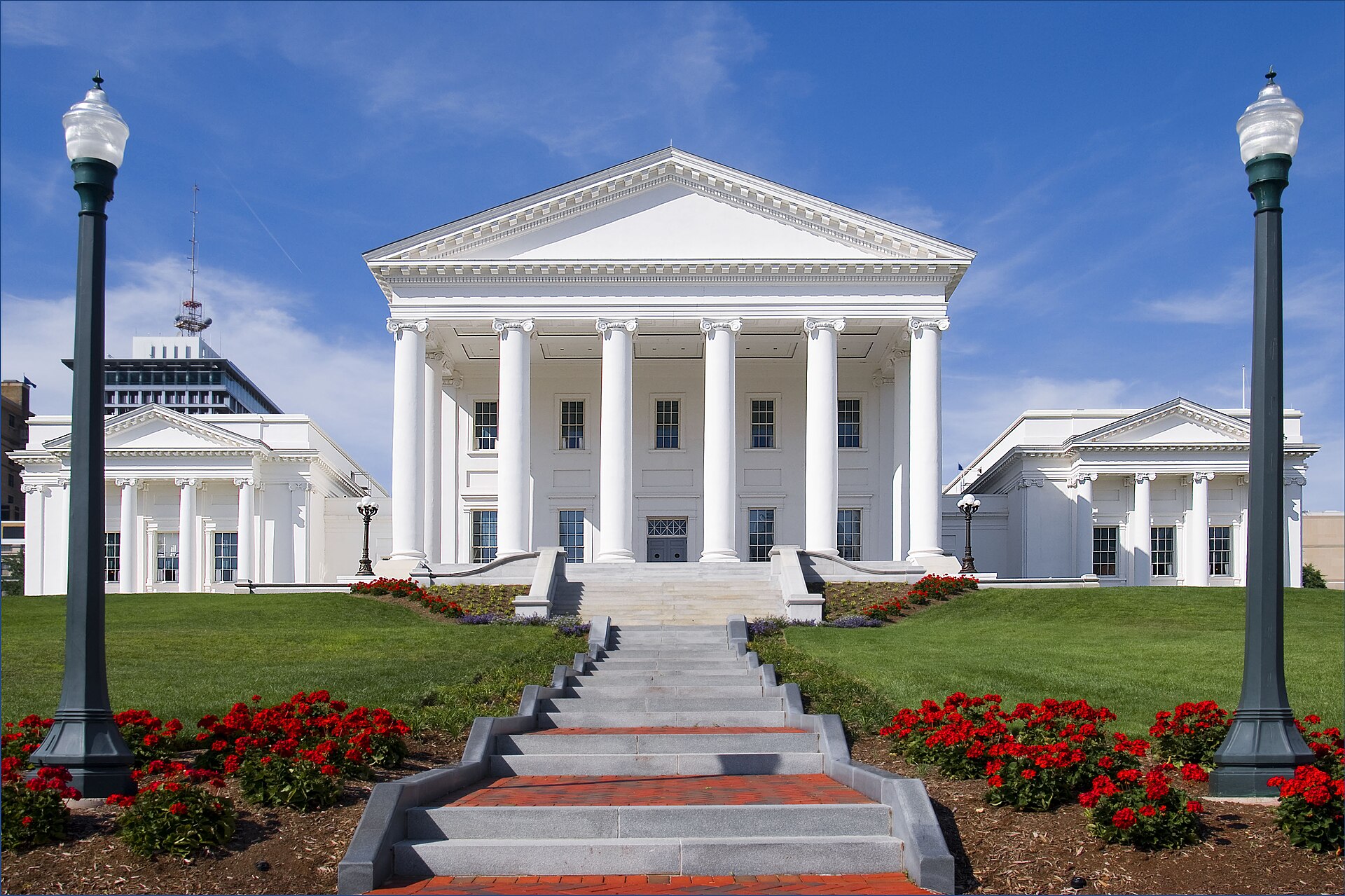
Every Virginia locality lives downstream of one hill in Richmond. The Virginia State Capitol — modeled by Thomas Jefferson on a Roman temple in France, occupied since 1788, and flanked by the Senate and House wings added a century later — is where the commonwealth's laws are made, in a General Assembly session that convenes each January on Capitol Square.
For Virginia Beach, the square's business is concrete: state funding formulas for the city's public schools, the largest school division in Virginia; transportation money for the interstate and arterial web the resort economy rides on; and the perennial Dillon Rule chess match, in which Virginia localities possess only the powers the state grants — meaning City Hall's real authority is frequently decided 100 miles northwest.
The building rewards the pilgrimage. Houdon's life-size Washington — the only statue the first president sat for — stands in the rotunda; the square outside holds the Washington equestrian monument and the graves-and-gardens calm of a nine-acre civic park. School groups from Beach classrooms have been busing up for the tour for generations, eating the same civics lesson with their bag lunches.
Tuesday's election sets the cast: every House of Delegates seat chosen this cycle and the balance of the Senate frame the legislature that will write next year's budget. Richmond can feel distant from the Oceanfront. Capitol Square's gavels, come January, will be audible on every Virginia Beach tax bill and school roster anyway.