
November at the Oceanfront: Nor'easter Season Opens, the Water Stays Warm
The Atlantic cools slower than the land, and that argument makes Virginia Beach's November: mild afternoons, wild weekends, and the season's first lessons in coastal flooding.
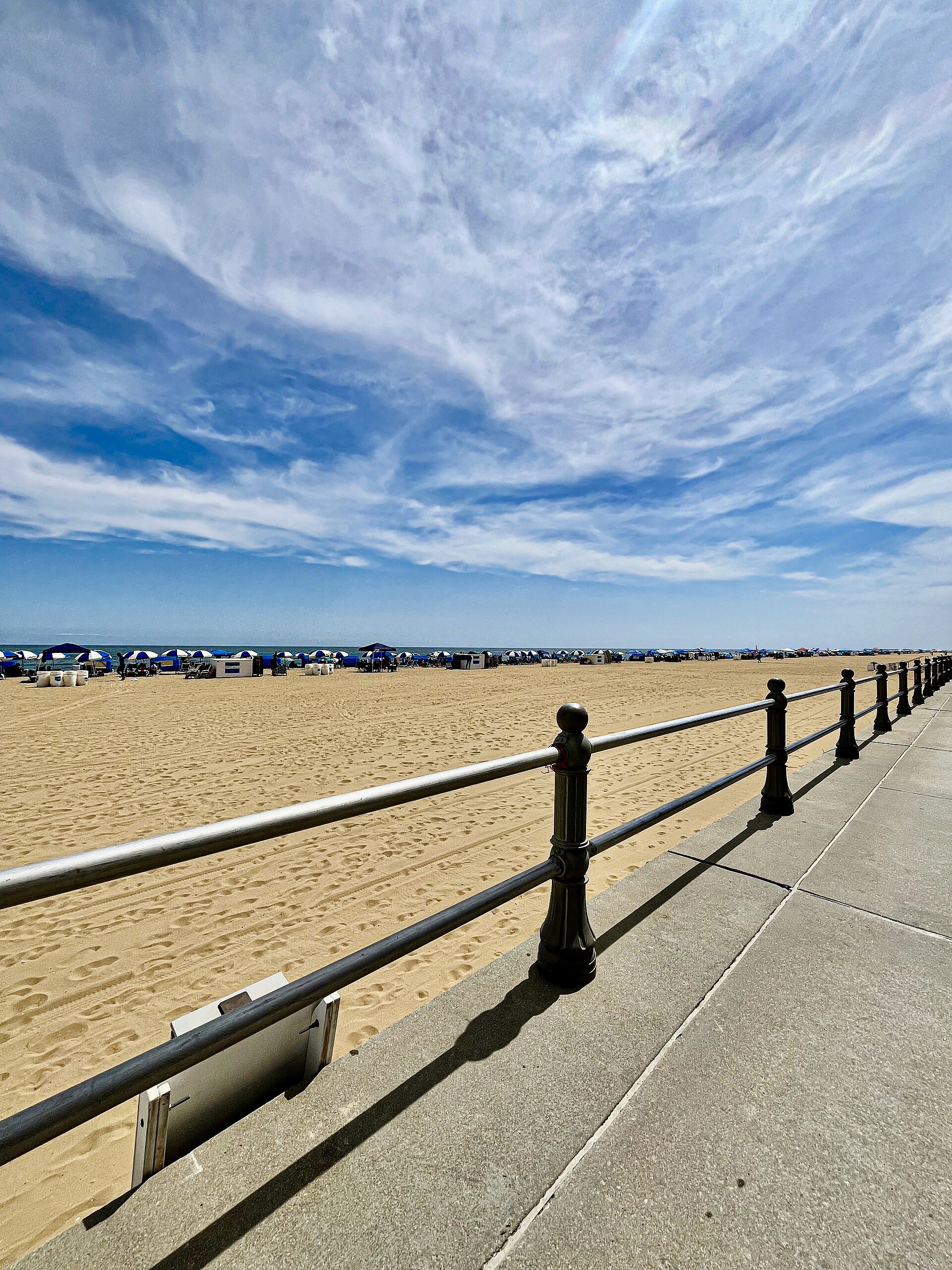
Virginia Beach weather in November is an argument between the ocean and the continent. The Atlantic, still holding summer's heat into the 60s early in the month, tempers the first cold fronts and keeps the Oceanfront milder than inland Virginia — but the same warm water, fed into a coastal storm, is the engine of the nor'easter season that defines the city's late-autumn weather.
Nor'easters are the mid-Atlantic's winter hurricanes without the fame: slow, sprawling lows that ride the coast, pile water against the shore for multiple tide cycles, and test every beach nourishment and dune line the city maintains. Minor tidal flooding — the kind that closes low roads in Ocean Park, Sandbridge, and the Lynnhaven watershed on king tides and east winds — becomes a November routine, and the city's flood-aware residents read tide charts the way farmers read almanacs.
The National Weather Service office in Wakefield, which covers Virginia Beach, also watches the month's other transition: the first frost inland, the last of the tropical season officially ending Nov. 30, and the early setups for winter storms that this coast usually dodges into January. Snow is a rumor in November here. Wind is a fact.
For the beach itself, November is a gift to the unsentimental: empty sand, cold bright water, dolphins working close to shore, and storms that rearrange the beach for the patient crews who will rebuild it by spring. Dress for the wind off the water, whatever the thermometer says — the ocean is running this month's thermostat, and it runs cool at the edges.